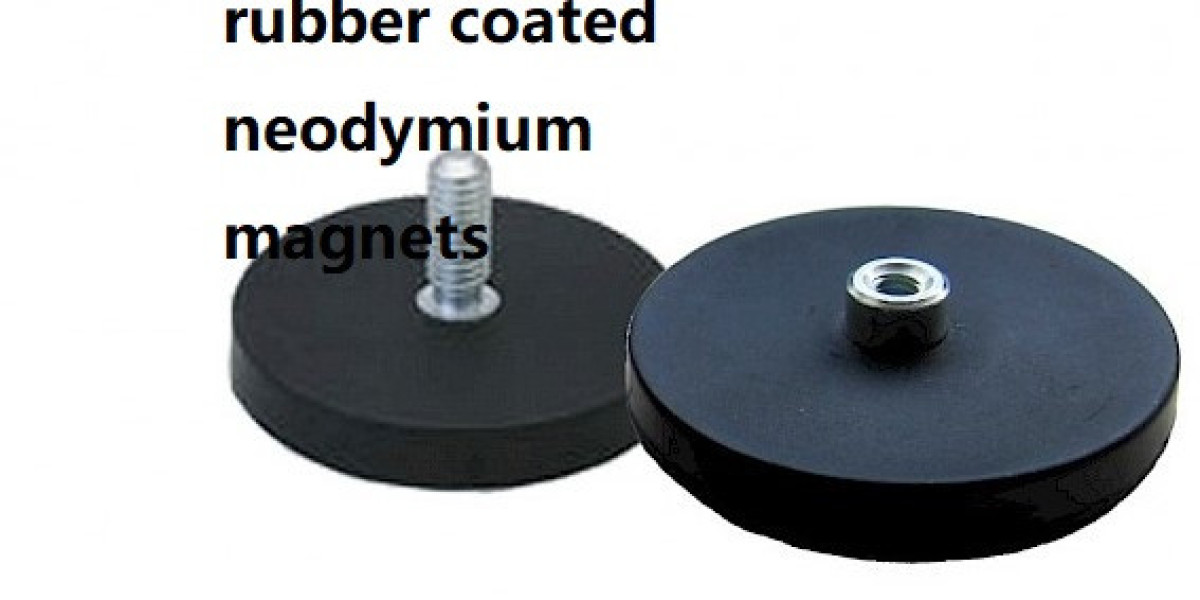

Choosing suitable magnetic components requires attention to more than appearance. Small Round Black Magnets can provide a compact solution when products need discreet magnetic positioning, while Small Round Black Magnets are also useful for applications where limited installation space makes larger magnetic components impractical. Before selecting a suitable model, buyers should consider dimensions, magnetic requirements, mounting conditions, surface protection, and the intended working environment.
Choose The Right Size For Compact Designs
One of the main advantages of small round magnets is their ability to fit into limited spaces. Modern products often contain compact structures where every millimeter matters, making smaller magnetic components useful for design flexibility.
Before purchasing, manufacturers should measure the available installation area carefully. Diameter and thickness can influence how a magnet fits into a housing, panel, fixture, or assembled product. Choosing a size that matches the available space can help prevent unnecessary modifications during assembly.
Small magnetic components can also be incorporated into products where the magnet needs to remain visually unobtrusive. This makes them suitable for applications that require a clean and simple appearance without sacrificing practical magnetic functionality.
Mlmagnet For Flexible Magnetic Design
When developing products with magnetic components, manufacturers often need to balance performance with installation convenience. A suitable magnet should match both the mechanical structure and the intended magnetic function of the finished product.
Product selection can begin by identifying how the magnet will be used. Some applications may require simple attraction between two components, while others may use magnets for positioning, holding, alignment, or removable attachment.
For manufacturers producing different product models, having access to multiple specifications can also make product development more flexible. Designers can evaluate different dimensions and configurations before deciding which option fits their assembly process.
Consider Ferrite Material Characteristics
Ferrite magnets are commonly considered when manufacturers need a practical magnetic material for various applications. Their characteristics make them useful for products where cost control, stable magnetic behavior, and suitable environmental performance are important considerations.
However, material selection should always be connected to the actual application. Buyers should evaluate expected magnetic requirements, operating conditions, installation methods, and surrounding materials before making a final decision.
For repeated production, consistency is another important factor. Magnets with stable specifications can make assembly easier because production teams can work with predictable component dimensions from batch to batch.
Make Installation Easier With Practical Shapes
The shape of a magnetic component can influence how easily it is incorporated into a finished product. Round designs can provide a straightforward option for applications where circular components fit naturally into existing structures.
Manufacturers can consider whether magnets will be placed inside cavities, attached to surfaces, embedded into components, or combined with other parts. The installation method may influence the required diameter, thickness, magnetic strength, and positioning strategy.
It is also useful to consider how magnets will be handled during assembly. Clearly defined installation procedures can help production workers position components consistently and reduce avoidable assembly mistakes.
Build A More Efficient Purchasing Plan
For wholesalers, product manufacturers, and distributors, magnetic component sourcing should consider both immediate requirements and future demand. Ordering the wrong specification can create unnecessary inventory, while insufficient stock may interrupt production schedules.
A better approach is to organize frequently used specifications according to product models and application requirements. Buyers can maintain clear records of dimensions, material types, expected quantities, and preferred installation methods.
Long-term purchasing decisions should also consider communication, specification clarity, packaging, and production consistency. By evaluating these factors together, manufacturers can create a more practical sourcing strategy rather than focusing only on individual unit prices.
Whether you are developing compact consumer products, fixtures, assemblies, or other magnetic applications, carefully selected round ferrite magnets can offer useful design possibilities. To explore more magnetic solutions and product options, visit https://www.mlmagnet.com/ .