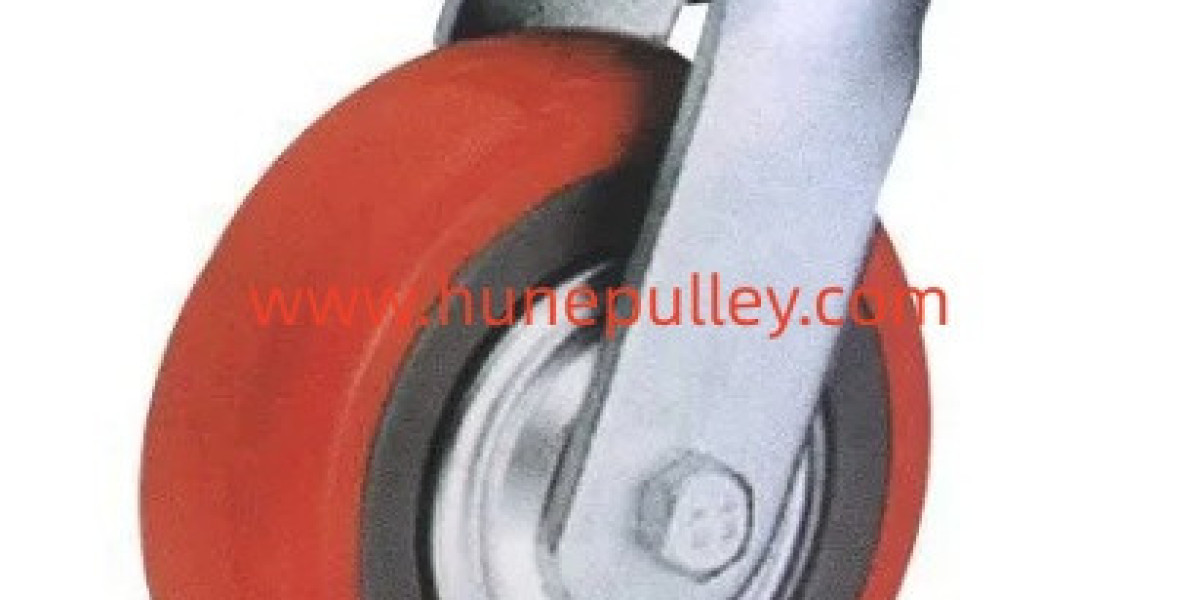

Movement is often taken for granted until a door sticks, a storage unit becomes difficult to reposition, or a mechanical assembly no longer travels smoothly along its intended path. Small rolling components can influence how these everyday systems function. A Roller Wheel from Hunepulley can be considered as part of a broader approach to mechanical design, where component compatibility, material selection, and installation accuracy help determine the behavior of the complete assembly.
Roller wheels appear in many products that rely on guided or supported movement. Sliding doors, furniture fittings, movable storage systems, and selected industrial mechanisms may use wheels to help components travel along a track or supporting surface. Although these applications share a basic principle, their operating requirements can differ considerably. Selecting an appropriate wheel begins with understanding the purpose of the mechanism and the conditions in which it will operate.
Material selection deserves particular attention. Plastic, rubber, metal, and other material options offer different characteristics related to surface contact, noise, wear, and environmental suitability. A wheel used on delicate interior flooring may require different properties from one intended for a rigid track or equipment assembly. Buyers should consider the surrounding materials, expected contact conditions, and maintenance requirements before deciding which construction is appropriate.
Wheel dimensions and profile also affect compatibility. Diameter, width, axle openings, and groove shapes determine how a component fits within its intended mechanism. A wheel that does not match the track or mounting arrangement may create alignment difficulties or inconsistent movement. Checking technical drawings and confirming installation dimensions before ordering can help avoid unnecessary adjustments during assembly.
The relationship between a wheel and its supporting structure is equally important. Track alignment, mounting stability, and the distribution of the supported load can influence how the assembly operates. Even a suitable wheel may experience premature wear if it is installed incorrectly or used outside its intended application. For product designers and purchasing teams, evaluating the complete mechanism provides a clearer basis for component selection.
Different industries may approach roller wheel selection from different perspectives. Furniture manufacturers may focus on discreet integration and convenient movement, while door system designers may prioritize track compatibility and consistent opening behavior. Equipment manufacturers may pay closer attention to material durability, mounting arrangements, and service requirements. Identifying these priorities early helps narrow the available options to those relevant to the project.
Manufacturing consistency is another consideration when evaluating hardware components. Dimensional accuracy, material processing, surface finishing, and assembly methods can affect the uniformity of finished products. Buyers may wish to request product specifications, technical drawings, material information, and guidance on intended applications. These details help purchasing teams compare alternatives and communicate requirements clearly to suppliers.
Maintenance planning can also influence the selection process. Dust, moisture, surface contamination, misalignment, and unsuitable operating conditions may affect rolling performance over time. Appropriate inspection and maintenance practices can help users identify wear and determine when a component requires adjustment or replacement. Understanding these needs during the design stage can support more practical decisions about ongoing equipment care.
For distributors and manufacturers, a well-organized sourcing process includes more than confirming product dimensions. Packaging, component identification, replacement availability, technical communication, and after-sales support may also matter when building a dependable purchasing arrangement. Clear discussions about these requirements help align product expectations with the needs of the finished application.
A small wheel can influence the way an entire mechanism feels in use. By examining material properties, dimensions, track compatibility, and operating conditions together, buyers can approach component selection with a clearer understanding of what their projects require.
Have a moving mechanism that deserves a closer look? Visit https://www.hunepulley.com/product/ to review available hardware options and gather ideas for your next design or sourcing project. Follow the details behind the movement, and you may find the component that brings your next concept into motion.